

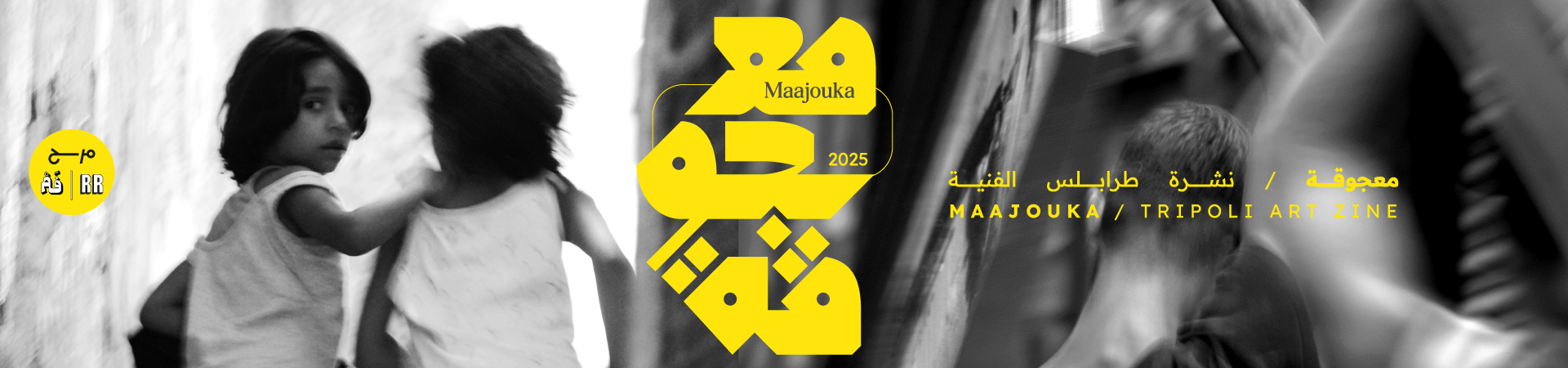
The inaugural edition of Maajouka: Tripoli Art Zine (October, 2025) by Marsah aims to provide Tripoli artists in the residency program and established artists from the city a platform to share critical and creative labor across genres. It features visual narratives, comics, photography, and literature while documenting an emerging artistic collective from Tripoli.
This publication was curated and led by Marsah Director, Nadine Alidib, and produced and edited in collaboration with Rusted Radishes: Beirut Literary and Art Journal.
This publication is made possible with the generous support of the Norwegian Embassy in Lebanon and the British Council in Lebanon.
The contents of this publication are the sole responsibility of Marsah’s and do not reflect the views of the governments of Norway and the UK.
يهدف الإصدار الأول من «معجوقة: نشرة طرابلس الفنية» ( تشرين الأول ٢٠٢٥) لـ«مرسح» إلى إتاحة منصة لفناني طرابلس المشاركين في برنامج الإقامة الفنية، إلى جانب فنانين وكتاب متمرسين من المدينة، لتقديم عمل نقدي وإبداعي عابر للأنماط الفنية. يتضمن العدد سرديات بصرية، والكوميكس، وأعمال تصوير فوتوغرافي، وأعمالاً أدبيّة، كما يوثّق نشوء جماعة فنية جديدة من طرابلس.
أعدّت هذه المطبوعة وأشرفت على تنسيقها مديرة «مرسح»، نادين علي ديب، وتمّ إنتاجها وتحريرها بالتعاون مع «فَمْ: مجلة بيروت الأدبية والفنية».
صدر هذا العدد بدعم من السفارة النرويجية في لبنان والمجلس الثقافي البريطاني في لبنان.
إنّ محتوى هذا الإصدار هو مسؤولية «مرسح» وحده، ولا يعكس بالضرورة آراء حكومة النرويج أوالمملكة المتحدة.
Note from Marsah
كلمة من مرســــــــــــــح
In a city of movement, survival, hardship, entrenched mindsets, and the need for reinvention, Tripoli speaks through those who create within it.
This first edition of Maajouka, a manifestation of artistic labor in Tripoli, exists because it must – not only to feature arts and its laborers, yet as a living archive, by those who challenge the status quo. It is an invitation to see the city through its own emerging and established contributing artists and writers. We ask you to notice what you think this collection invites you to do.
About Marsah
Marsah opened its doors to the public in December 2024. The name is extracted from a nearly forgotten word in Arabic that once meant “theater” or “a place designated for performance.” Over time, this word was replaced in common usage by “Masrah.” By reclaiming the term Marsah, we reclaim a word that carries the spirit of gathering, performing, and imagining collectively. The word “Marsah” embraces a sense of playfulness, a reminder that art is a form of play.
Marsah is a space for arts and knowledge in Tripoli. It fosters and nurtures both established and emerging artists, and develops resourceful networks of creation and knowledge sharing in Tripoli and its region. By creating a collective and space for artists to practice, collaborate, and to feature all genres of work, Marsah aims to activate a multidisciplinary creative process and output that reclaims the city’s right to culture and opens up new possibilities to revise the relationship between the place and its people. Marsah is a space where experimentation is a right, and the process is never overshadowed by the demands of the city’s conservatism. Marsah’s mandate is to function as a hub and a platform for artists from Tripoli to dwell at the intersection of arts and critical thought.
Why Maajouka?
“Maakouka” hums with sound and disorder. It is a word that describes the layered city overtaken by obsessive concrete, where the scent of oranges and open fields has been replaced by suburbs and an overwhelmed abandoned old city. Maajouka is also a sweet from Tripoli’s old kitchens, now found in just a few traditional shops tucked into the old city, a reminder that heritage is not stagnant, it carries a DNA we inherit, reinterpret, and offer forward in this issue.
The Marsah residency program was born out of a need to build a trail for artists in the city. A way to stimulate public life through artistic presence and production. Artists who navigate the city with so few resources are a powerful reminder of how the collective must exist. This marks our first attempt at working closely with eight Tripoli-based emerging artists on a trajectory of artistic exploration and production. Rather than impose fixed curatorial frames, we focused on allowing work and narratives to evolve organically. This journal reflects that approach, capturing artistic practice not as a finished product, but as an act of expression, of existence.
This edition of Maajouka is focused on featuring Marsah’s emerging artists-in-residence along with established contributing artists and writers from Tripoli. In this edition, we chose a different path, one rooted in process rather than prescription. There was no open call for submissions. The selection of the eight artists was grounded in our existing networks, those who expressed a clear interest in developing conceptual work for public exhibition. We embarked on an in-house journey of creation, shaped by a multidisciplinary and multi-voiced approach. The eight artists-in-residence, along with established contributing artists and writers from the city, grappled with work on three central themes: memory, identity, and personal truths.
The first theme, memory, asks: What is lost? What do we choose to remember? In these pages, you’ll enter layers of curiosity rather than nostalgia. The second theme, identity, reflects an ongoing inquiry: How do we exist within Tripoli, and how does Tripoli exist within us? And finally, the third theme centers on the personal story, a recognition that artistic labor, in all its forms, is storytelling.
The result is a body of work that spans visual, textual, and conceptual forms. Visual narratives unfold through comics, illustration, and design, each reinterpreting the city’s textures and tempo. Photography and mixed media pieces capture the shifting light and layered forms of Tripoli. And in the literary section, you’ll find poetry, fiction, and personal essays that give voice to what is often left lingering in the artist’s mind and wants to find a way out.
We leave you with this first edition and the trail it begins.
Nadine Alidib | Director
في مدينة لا تهدأ حركتها، مدينة البقاء والمعاناة والعقليات المتجذّرة والحاجة المستمرة إلى إعادة الابتكار، تتحدث طرابلس من خلال أولئك الذين يبدعون في داخلها.
العدد الأول من «معجوقة»، وهو تجسيدٌ لجهد فني نابض في طرابلس، وُجد لأنه يجب أن يكون، ليس فقط ليُبرز الفنون والعاملين بها، بل كأرشيف حيّ يبنيه من يتحدّون الوضع القائم. إنها دعوة لرؤية المدينة بعيون فنّانيها وكتّابها، المبتدئين منهم والمتمرّسين. ندعوكم لتلاحظوا ما الذي تدعوكم هذه المجموعة إلى فعله.
عن مرسح
فتحت «مرسح» أبوابها للجمهور في كانون الأول 2024. اسم «مرسح» مستوحى من كلمة عربية كادت تُنسى، كانت تعني يومًا «المسرح» أو «مساحة مخصّصة للأداء». مع الوقت، حلّت كلمة «مسرح» محلها في الاستخدام الشائع. من خلال العودة إلى مصطلح «مرسح»، نستعيد كلمة تحمل في طياتها روحية التجمع، والأداء، والتخيل الجماعي. تحتضن «مرسح» حسّ اللعب، وتذكرنا بأن الفنّ هو شكل من أشكال اللعب.
«مرسح» هي مساحة للفنون والمعرفة في طرابلس. تحتضن وتدعم الفنانين المكرّسين والناشئين على حد سواء، وتبني شبكات مبتكرة للإنتاج الفني وتبادل المعرفة في طرابلس ومحيطها. من خلال إنشاء جماعة ومساحة يلتقي فيها الفنانون للممارسة، والتعاون، وعرض مختلف أنواع الأعمال، تسعى «مرسح» إلى تفعيل عملية إبداعية متعددة التخصصات، تعيد للمدينة حقها في الثقافة، وتفتح آفاقًا جديدة لإعادة التفكير في العلاقة بين المكان وأهله. «مرسح» هي مساحة يُعتبر فيها التجريب حقًا، ولا يطغى فيها المسار الإبداعي على متطلبات المدينة المحافظة. تلتزم «مرسح» بأن تكون مركزًا ومنصة لفنانين من طرابلس يتلاقون عند تقاطع الفنون والفكر النقدي.
لماذا «معجوقة»؟
«معجوقة» تهمس بالصوت والفوضى. هي كلمة تصف مستويات المدينة التي طغى عليها هوس الإسمنت، حيث حلّت الضواحي والمدينة القديمة المهملة والمثقلة محل رائحة الحقول والبرتقال. «معجوقة» هي أيضًا حلوى من مطابخ طرابلس القديمة، لا تزال تُباع في عدد قليل من المحال التقليدية المتوارية في أزقة المدينة القديمة، لتذكّرنا بأن التراث ليس ساكنًا، بل حمّالُ جيناتٍ نرثها، ونعيد تفسيرها، فنقدّمها من جديد في هذا العدد.
ولِدَ برنامج الإقامة في «مرسح» من الحاجة إلى بناء مسار للفنانين في المدينة، كوسيلة لتحفيز الحياة العامة من خلال الحضور والإنتاج الفني. الفنانون الذين يتنقلون في المدينة بموارد محدودة يذكّروننا بضرورة وجود التنسيقية. هذه أولى محاولاتنا للعمل عن قرب مع ثمانية فنانين ناشئين من طرابلس في مسار من الاستكشاف والإنتاج الفني. بدلاً من فرض أطر تقييمية أو تنظيمية ثابتة، آثرنا ترك المسارات والسرديات تنمو بشكل عضوي. يعكس هذا العدد من المجلة هذا التوجّه، حيث تُقدَّم الممارسة الفنية لا كمنتج نهائي، بل كممارسة في التعبير، وفي الوجود.
يركّز هذا العدد من «معجوقة» على تسليط الضوء على الفنانين الناشئين المقيمين في «مرسح»، إلى جانب فنانين وكتّاب راسخين من طرابلس. في هذا العدد، اخترنا مسارًا مختلفًا، مبنيًّا على العملية الإبداعية لا على الوصفة الجاهزة. لم يكن هناك دعوة مفتوحة لتقديم المشاركات، بل اخترنا الفنانين الثمانية من شبكاتنا القائمة، ومن الذين أبدوا رغبة واضحة في تطوير أعمال مفهومية للعرض العام. انطلقنا في رحلة إبداعية داخلية، شكّلها نهج متعدد التخصصات والأصوات. تناول الفنانون المقيمون الثمانية، إلى جانب الفنانين والكتّاب المشاركين من المدينة، ثلاثة محاور أساسية في أعمالهم: الذاكرة، الهوية، والحقائق الشخصية.
المحور الأول، الذاكرة، يطرح السؤال: ما الذي فُقد؟ وما الذي نختار أن نتذكّره؟ في هذه الصفحات طبقات من الفضول، لا الحنين. أما المحور الثاني، فيتناول مفهوم الهوية، في تساؤل مستمرّ: كيف نكون في طرابلس، وكيف تكون طرابلس فينا؟ وأخيرًا، يركّز المحور الثالث على السرد الذاتي، اعترافًا بأن الجهد الفني، بكل أشكاله، هو شكل من أشكال السرد.
النتيجة هي مجموعة أعمال تتراوح بين الأشكال البصرية، والنصّية، والمفاهيمية. تتكشّف السرديات البصرية عبر القصص المصوّرة، والرسوم، والتصميم، حيث يُعاد تأويل نسيج المدينة وإيقاعها. تلتقط أعمال التصوير والفنون المختلطة تغيّر الضوء وتراكب الأشكال في طرابلس. وفي القسم الأدبي، ستجدون شعرًا، وقصصًا، ومقالات ذاتية تُعبّر عمّا يبحث عن مخرج من ذهن الفنان.
نترك بين يديكم العدد الأول هذا، والمسار الذي يؤسس له.
نادين علي ديب | المديرة
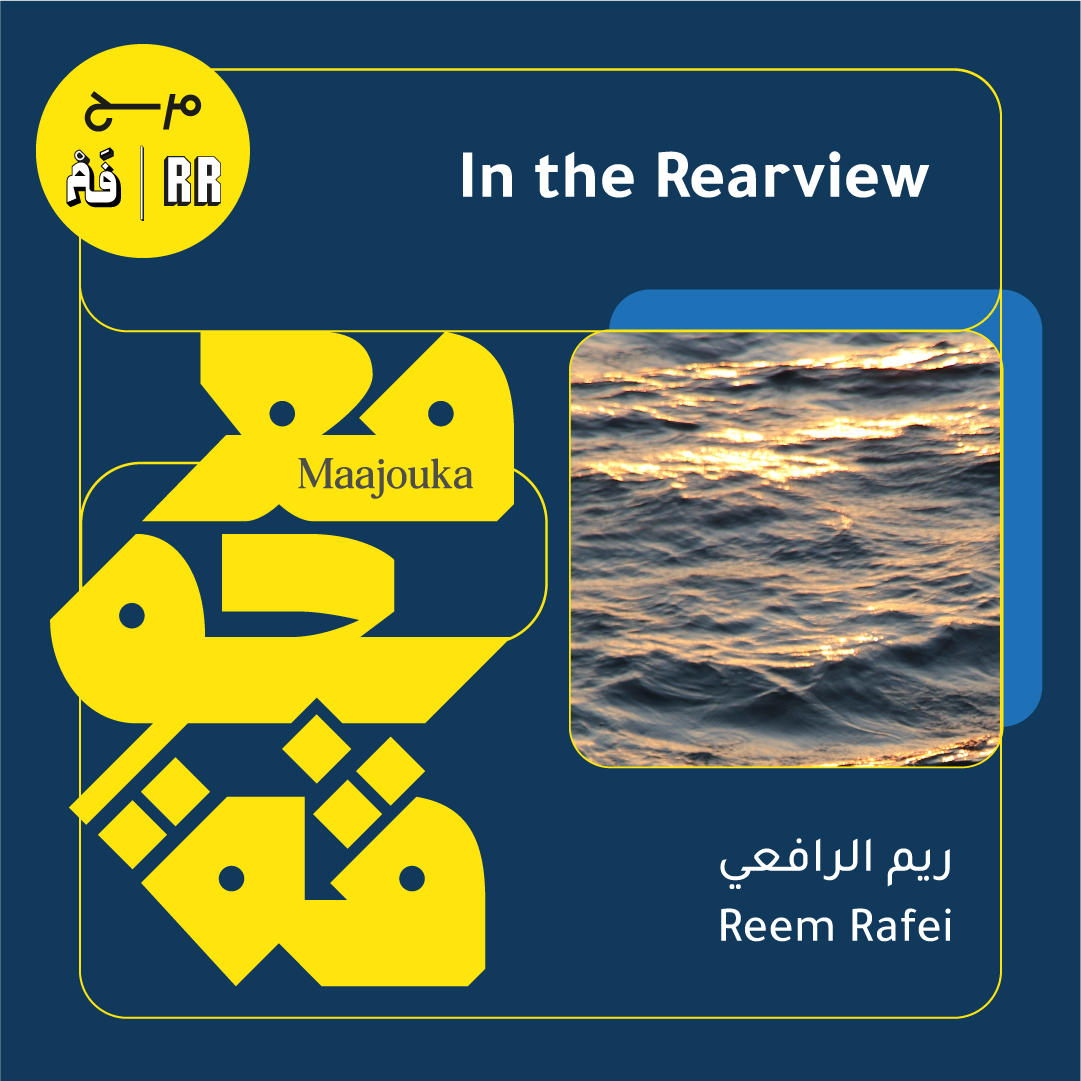
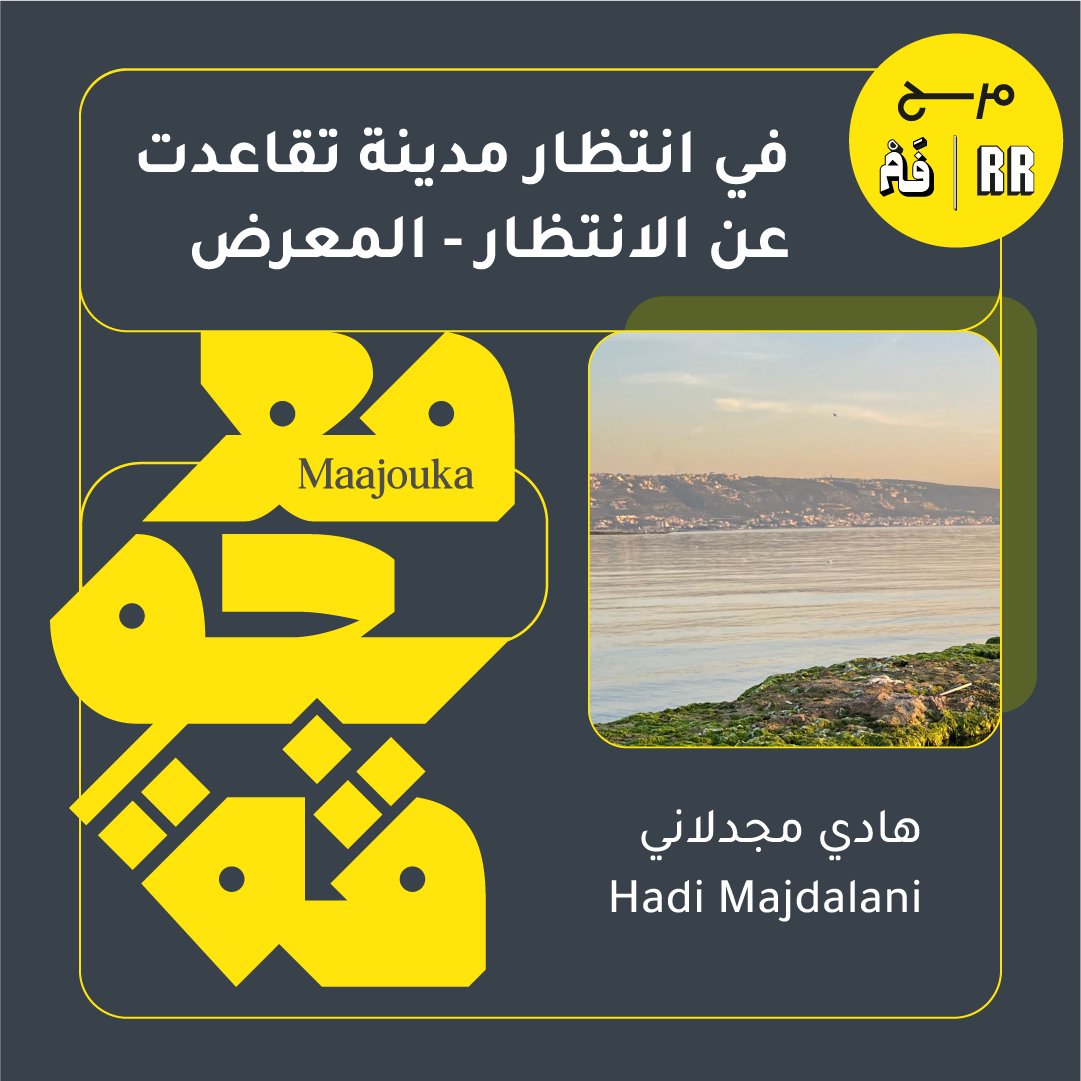
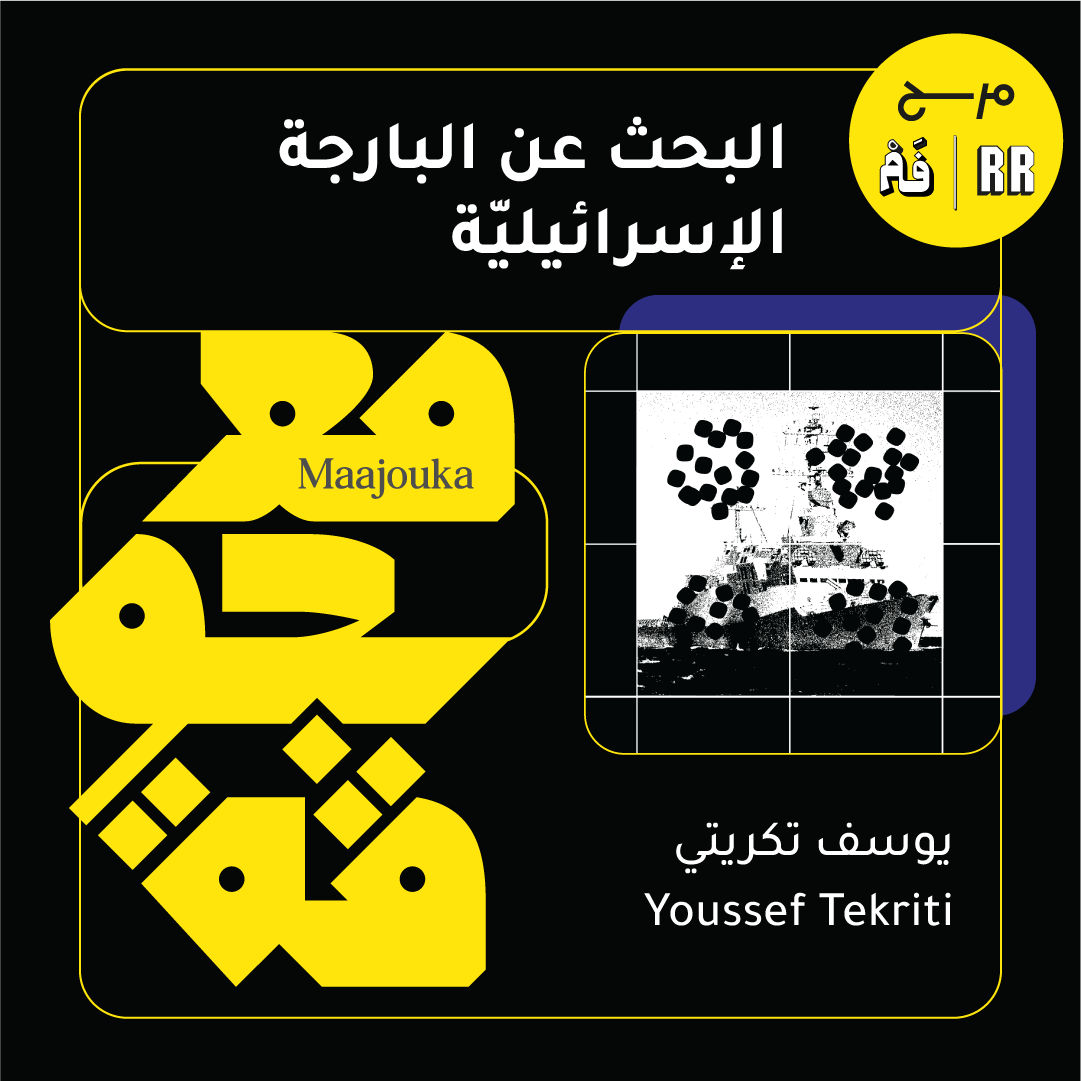
Selections from the Issue
مختـــــــــــــــــــــــــــــارات من العدد
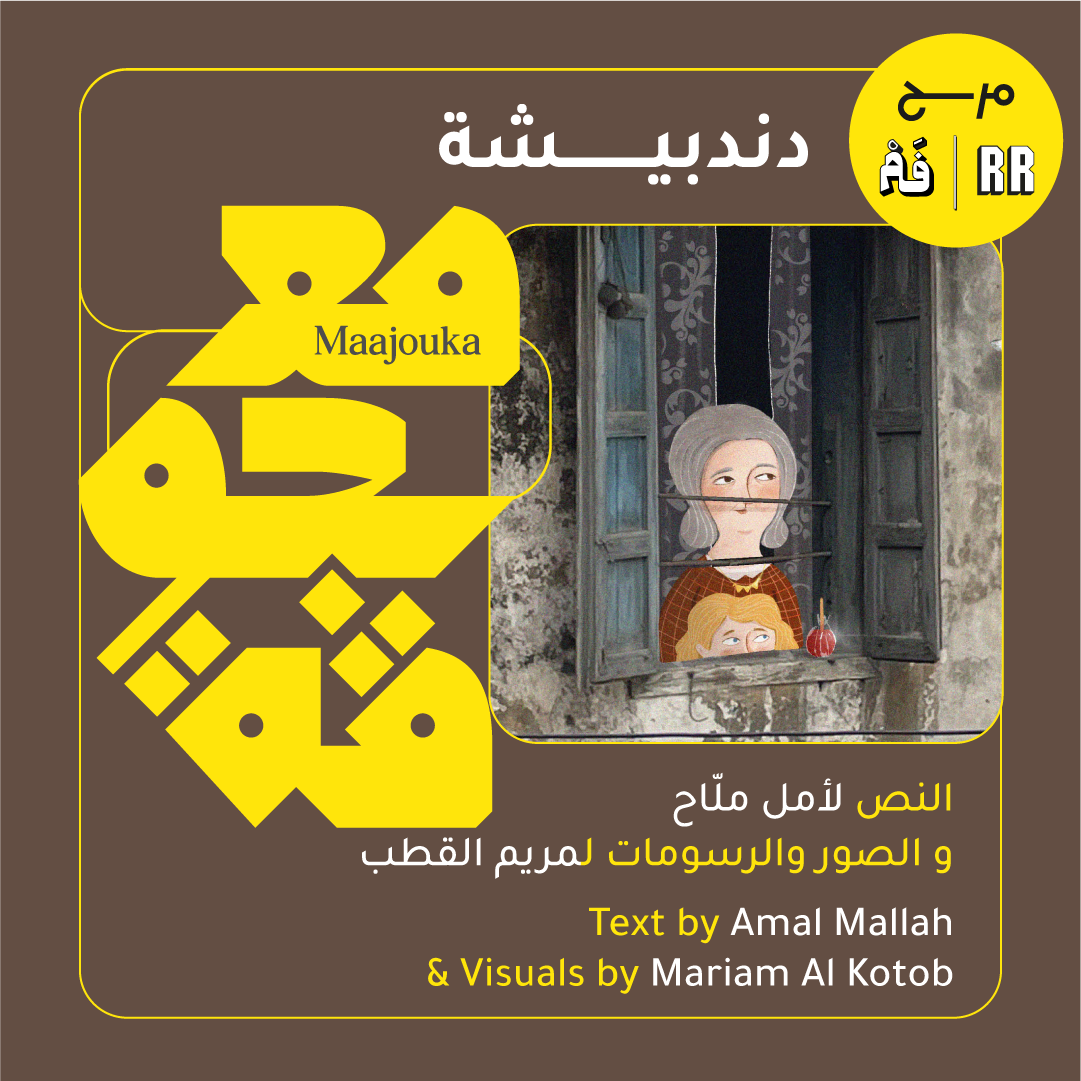
Support North Lebanon Artists
ادعموا فنــــــــاني شمـــــــــال لبنـــــــان
You may view the full journal below! Please consider supporting north Lebanon artists by purchasing the issue at The Little Bookshop (Hamra), Snoubar Bayrout (Achrafieh), or Marsah (Tripoli).
يمكنكم الاطلاع على المجلة كاملة أدناه. ادعموا فناني شمال لبنان من خلال شراء العدد من مكتبة «ذا ليتل بوكشوب» (الحمرا)، أو «صنوبر بيروت» (الأشرفية)، أو «مرسح» (طرابلس).