




That summer two years ago, that insomniac summer of tea at 4 a.m. I spent my nights waiting for Godot, replaying, over and over again, the guided meditations of a soothing voice reminding me to breathe in and out. I was consumed by a debilitating grief that halted not only my sleep but nearly every aspect of my life. Grief was just my body’s response to years of turbulence. It had this power to steal the present, suspend time, and detach one’s body from its presence. But it also had a lethargic rhythm. I tried to befriend this all-consuming grief, to bargain with it, to reconcile parts of my past. So I came up with a compulsive challenge to categorize the hundreds of photographs suffocating in a box at the top of my bookshelf. The challenge was the only thing I could control at that moment. And I had to understand what grief came to tell me before it ended its visit.
The box, an unremarkable box, really, one I moved around whenever I redecorated my bedroom, was full of negatives, black and whites, family albums, studio portraits of myself and my brothers taken and stamped with PhotoLina, a once-famous studio near my grandmother’s house in Abu Samra. In every photo, my two brothers and I are smiling. I have always felt protected by them, and I was glad the photos captured that. There are hundreds documenting our childhood. Some photos show the three of us with mom. We look like the Fantastic Four. There are other photos from the Saturday dinners my grandmother used to host, and plenty of overexposed shots of beaches and mountains.
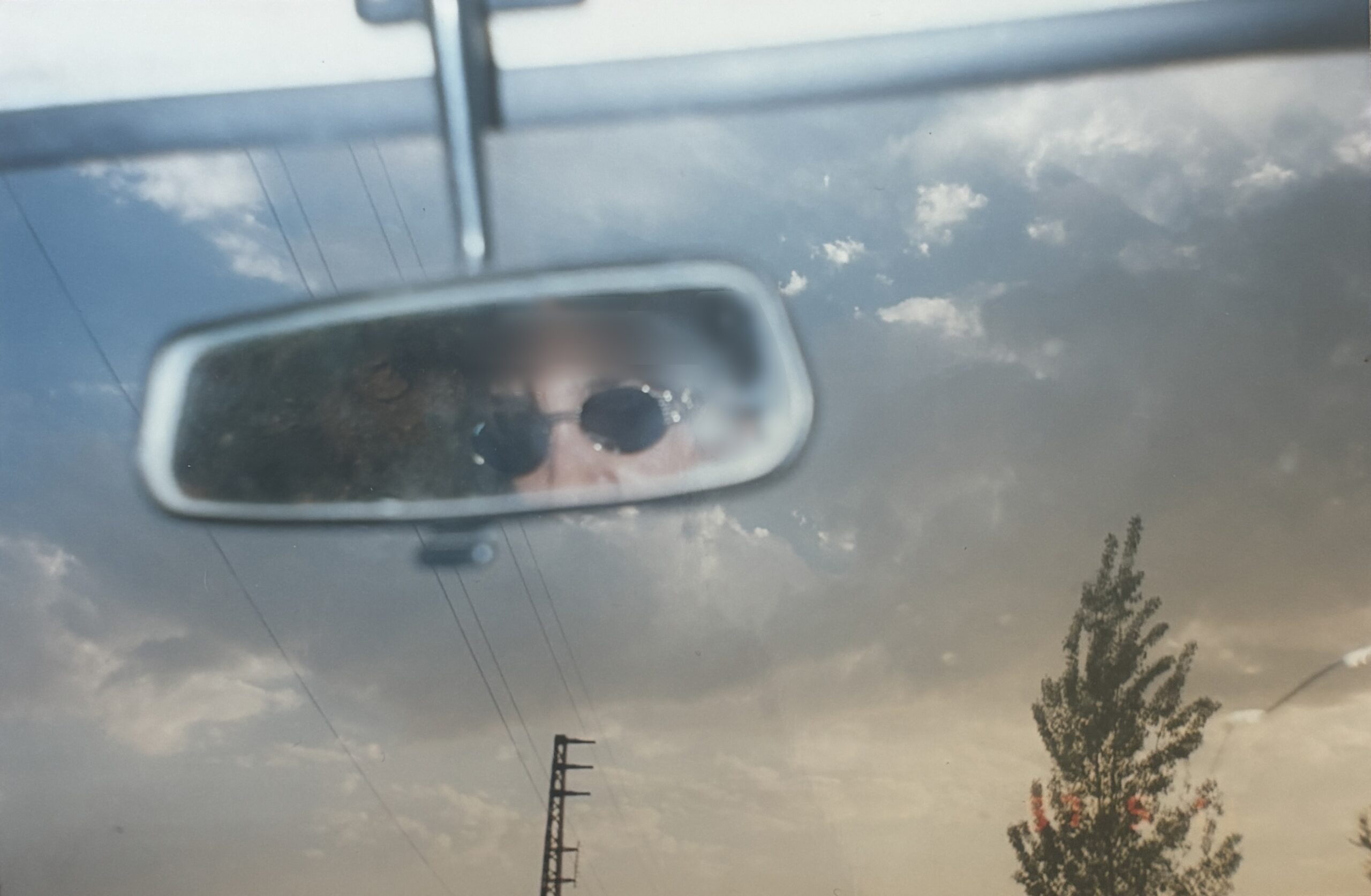
There was one that stood out from the rest, that shook me, stirred a dormant emotion, pierced the numbness. My mother is looking into the rearview mirror, sunglasses on. A slightly overexposed photo, but unlike the others, this one felt as if I had taken it.
The next morning, I rushed to my mother, the photograph in my hand. She was in her favorite spot of our ninth floor apartment, a quiet corner bathed in sunlight, on the gray sofa, draped with a granny square quilt my mother had crocheted, nestled against the wall. She was sipping her sugary coffee from a small ivory-white cup with hand-painted blue petals. Amidst her tranquil morning routine, my excitement softened.
“Do you remember this photograph? Do you still have these sunglasses? Who took it? Where was it taken? Or, you know what, don’t tell me –”
“Oh God, where did you find it?” she asked.
I reminded her of the box, how when we moved from our old house, I had haphazardly collected photos from the scattered boxes and drawers. A sentimental archive of a life I was leaving behind.
“I love this photo,” she said. “I took it. I held the camera in one hand.”
So she had parked and taken it herself. This fact moved me because I do the same. I take similar photos whenever I go to the sea and park there, though now they’re called selfies. If you open my Photos app, you’ll find dozens that resemble this one.
“Was it the BMW?” I asked.
“No, it’s dated ’97… so I guess it was the yellow Kadett. Do you remember it?”
The photo unlocked a forgotten memory, longing to be called.
It is 1997, and I am six years old. I live in a house where light is dull, dragging itself, barely reaching the rooms, pale. The house is heavy and still with grief, where time doesn’t pass; it just waits.
My mother and I take the yellow Kadett, music blasting from the radio, singing like we are at a concert. It isn’t far, just three tracks away from our home. My mother and I frequent a place I believe is just ours. We go to the sea, especially in winter, when no one else is around. Just us. Mom brings her coffee, I steal sips from her cup; I love the sugary taste, the creaminess. We run on the sand like children. From the moment we step out of the car, mom transforms into a child. Everything is alive, waves crashing against the shore. Smooth pebbles are scattered across the ground, unassuming as the hundreds of green bottles dispersed across the sand. I try to walk as if playing hopscotch, careful to avoid the sharp, broken pieces beneath my feet, like stepping over silences.
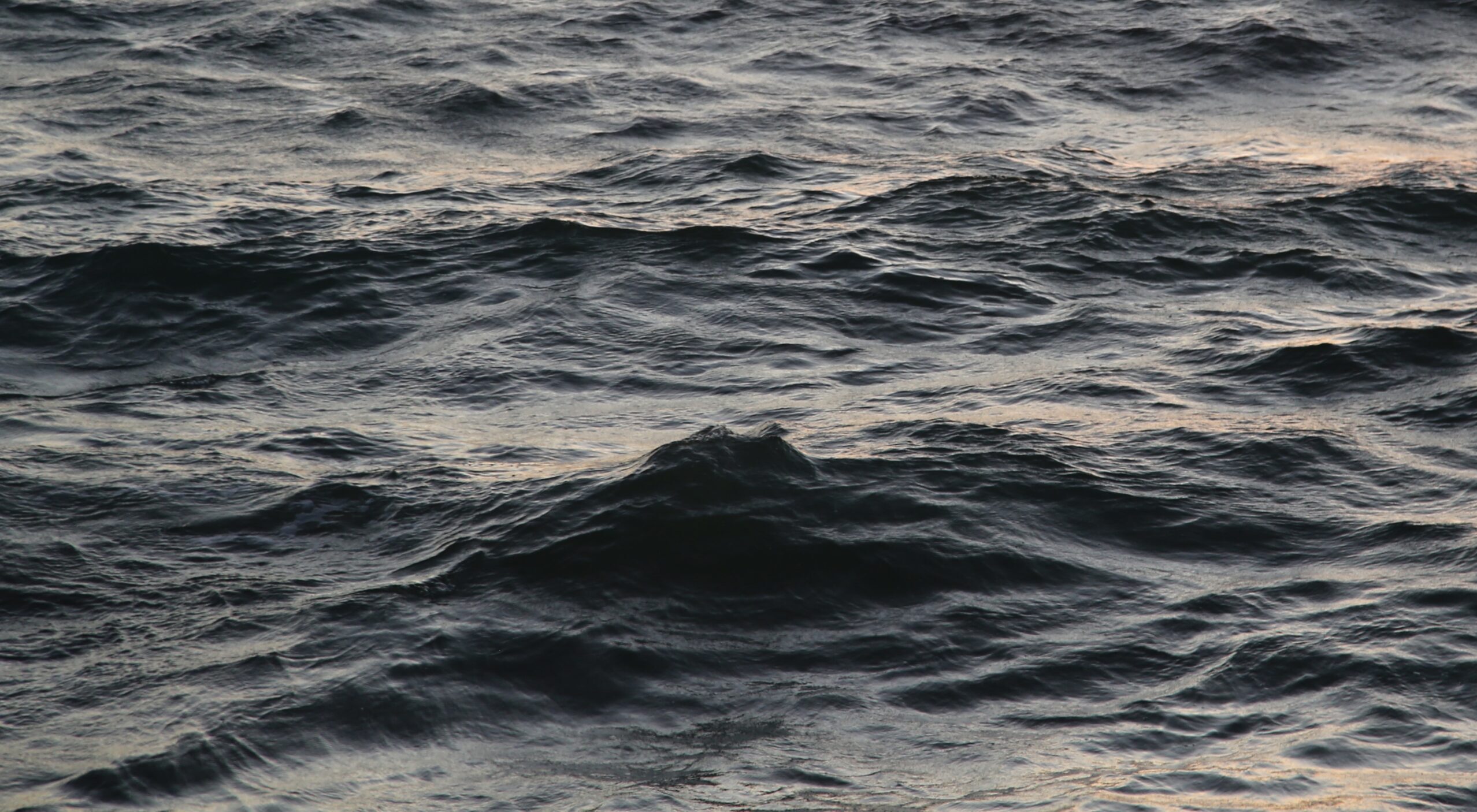
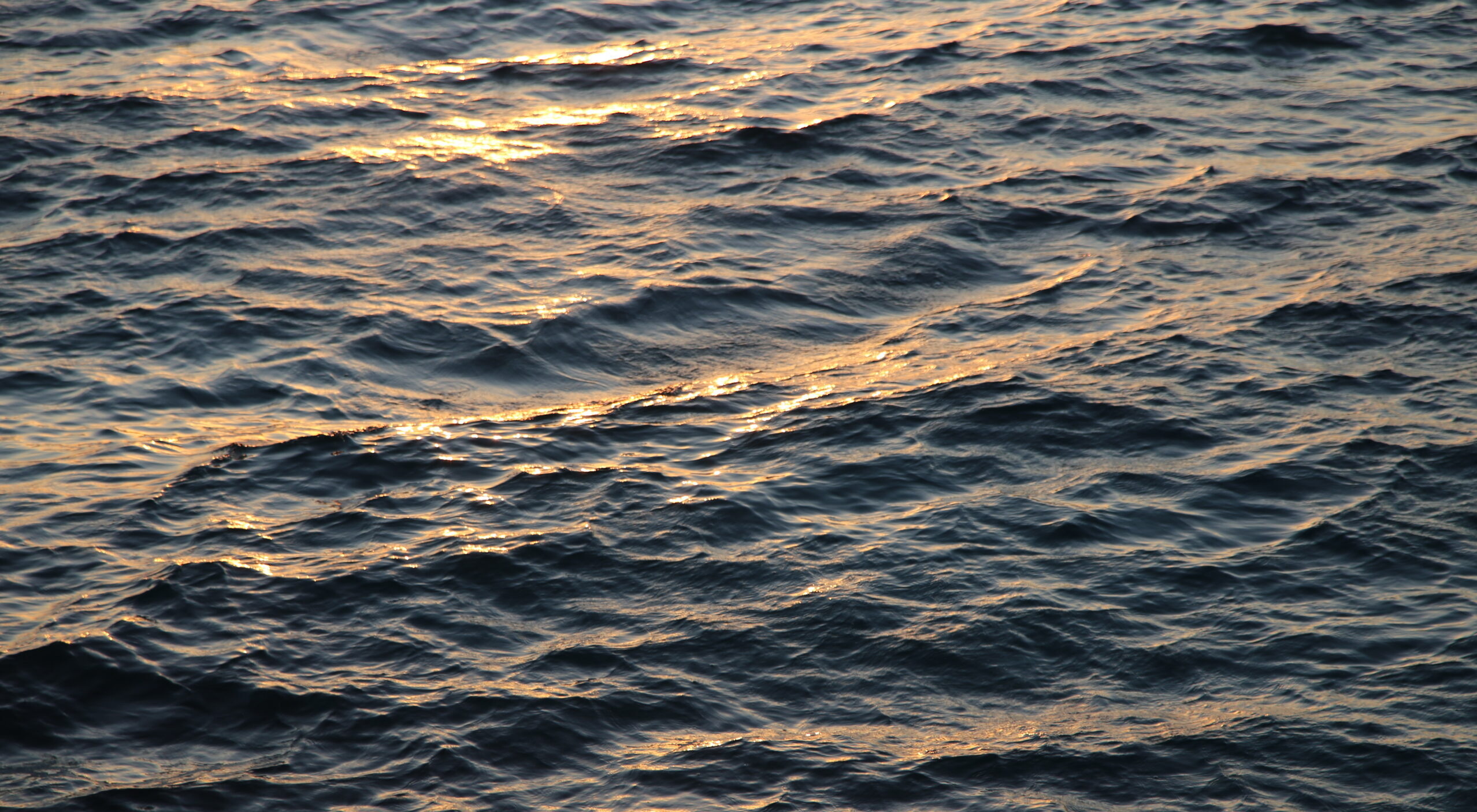
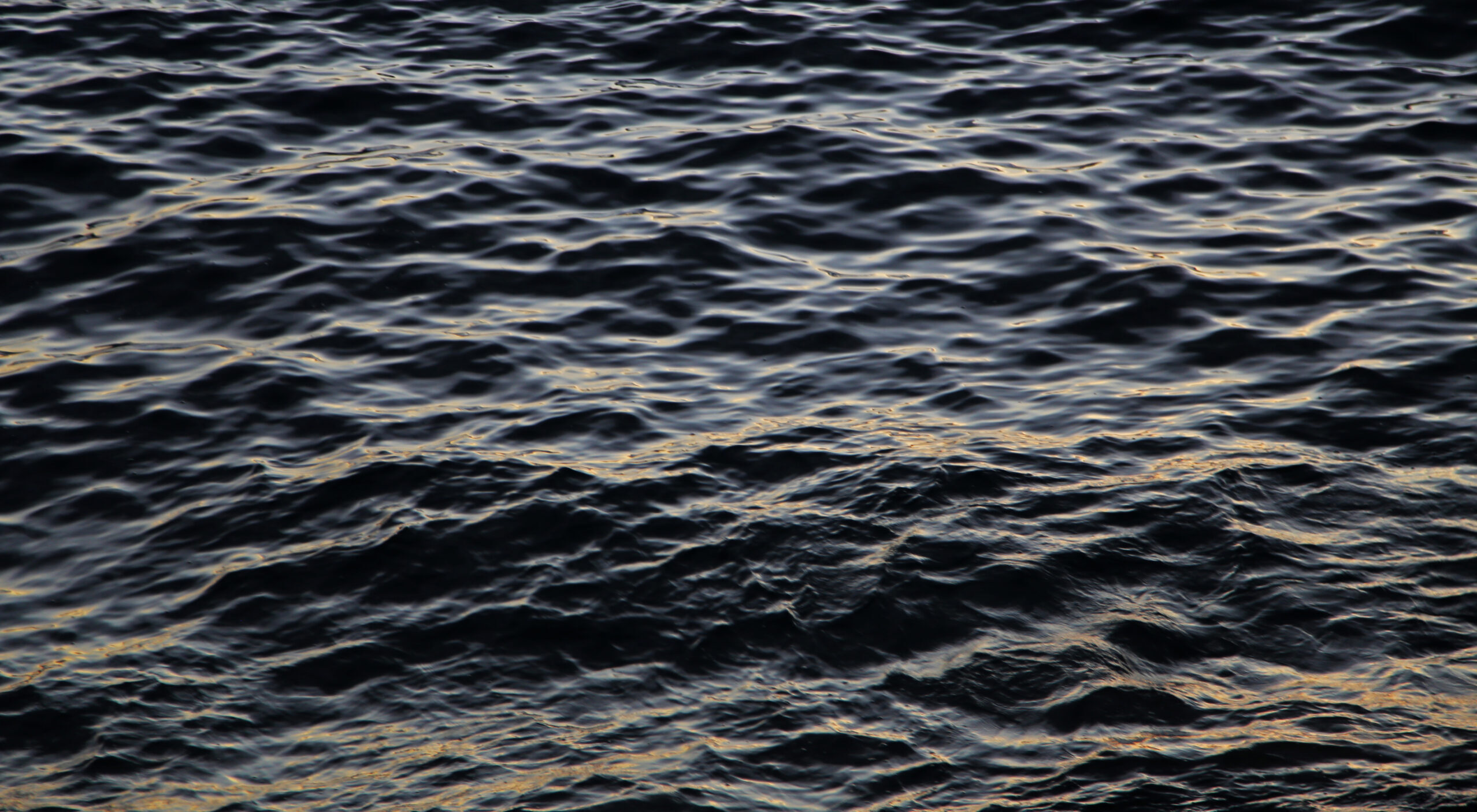
In this memory, mom is wearing her sunglasses. Even in winter, when the sky is dark, she wears them. Behind them lies a vitality I feel and long for. The sunglasses are witness to moments I try to resurrect. They remind me of our laughter, of our carefreeness. They hold a self untainted by grief. It was the sunglasses in this photo – their thick, oval-shaped rims and silver frames – that shook me. It’s the element that transcended words, the element that wounded me and awakened something dormant. Roland Barthes calls that element the punctum in his book Camera Lucida: “A photograph’s punctum is that accident which pricks me (but also bruises me, is poignant to me).” I have long been drawn to Barthes, not solely for his theoretical genius, but because of his profound relationship with his mother. Camera Lucida is a text that taught me how photographs don’t just preserve memories, but also act as portals to worlds we think we’ve lost. They redefine the past, introduce new realms, and, if we’re lucky enough, resurrect what has been lost.
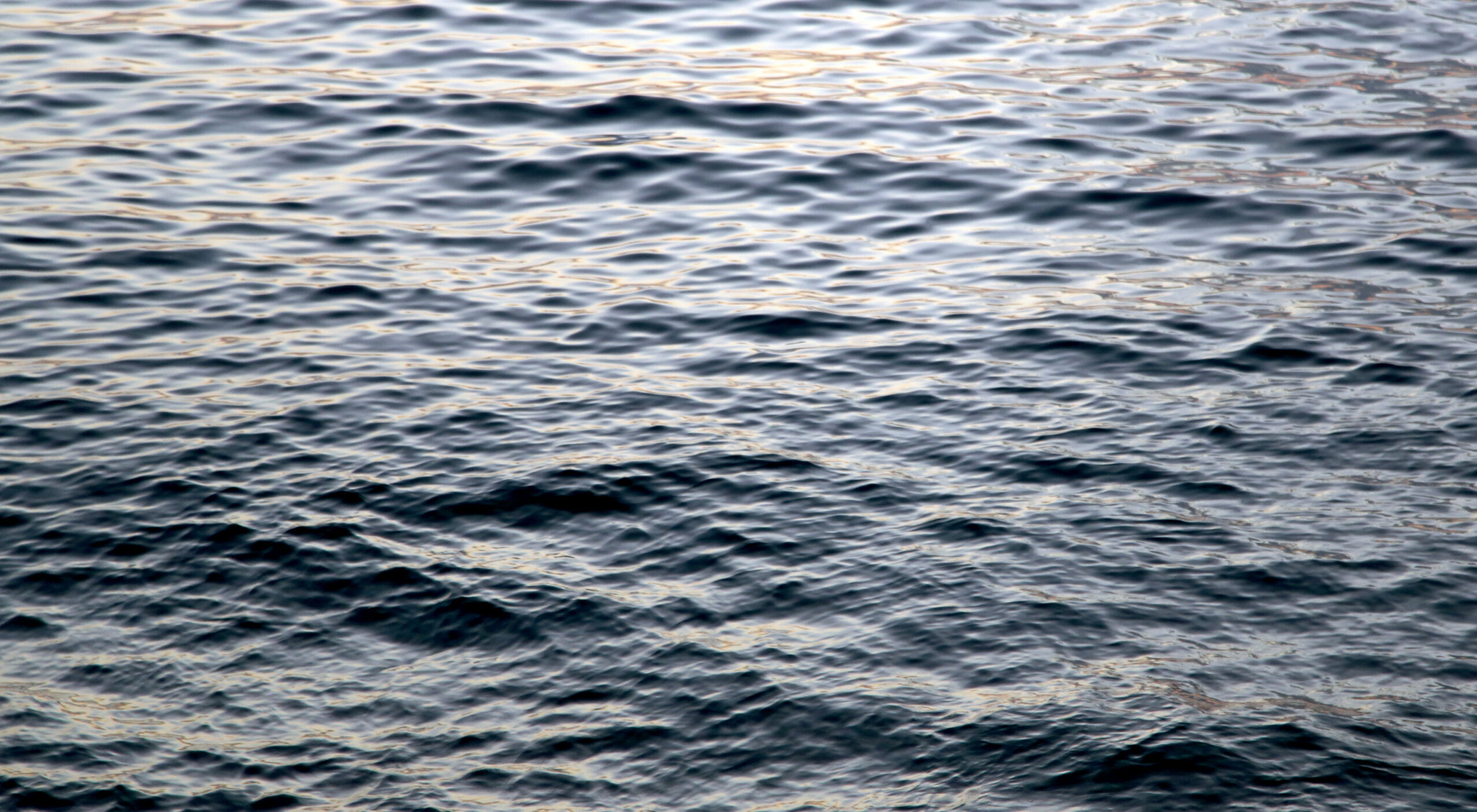
Weeks after finding my mother’s rearview mirror photo, grief had loosened its grip slightly. The punctum and the tenderness of that memory called me back to myself, anchored me in the present, enough for me to return to the sea with my camera. I was rereading Virginia Woolf’s The Waves for the third time. It’s one of those books which makes me feel less alone when reading it. But this book is different, it’s a meditation of some sort, one I always return to for a sense of familiarity. I’m not drawn to the characters or even the plot, but to the pauses – the interludes – in the narrative that describe the sea from sunrise to sunset, marking the passage of the day, tracing the constant fluctuation between light and shadow, sea and sky.
The sun had not yet risen. The sea was indistinguishable from the sky, except that the sea was slightly creased as if a cloth had wrinkles in it. Gradually as the sky whitened a dark line lay on the horizon dividing the sea from the sky and the grey cloth became barred with thick strokes moving, one after another, beneath the surface, following each other, pursuing each other, perpetually. [1]From The Waves by Virginia Woolf
In these pauses, I find the rhythm that breaks the lethargic pace of grief. It leads me to my visual self, a part of me that had not fallen into slow, numbing grief.
Photography transcended being a medium – it became an extension of myself, where I could translate what words couldn’t. I seek to collect, to confront emotions I can’t name. I grab my camera, and return to the sea. I photograph the water daily, focusing closely on its surface, bewildered by how alive I feel looking through this frame. Before clicking the shutter, I scan the surface, marvelling at the variations on the same sea. These frames feel like they belong to me, they offer a rhythm that keeps unfolding, one I can follow, and in turn, follows me.
At first, I believed I was reviving the version of my mother behind those sunglasses, but now I wonder if what I’ve been longing for is my own reflection in the rearview mirror. This photo is an anchor, a proof of a vitality that once roamed free, but it reveals something deeper; perhaps what I am trying to resurrect is not rooted in place or time, maybe it is a version of myself I’m starting to get accustomed to, one that feels foreign, one that was overshadowed by grief.
Whether I’m the viewer or the one behind the lens, photography holds an unassuming kind of truth, one that reveals what emotions sometimes fail to convey. Inside it, I seek to understand what the frame tells me, what it reveals or sometimes conceals. What element in it wounds or pierces me. Whether in my mother’s rearview mirror or the ones I take, the resonance is the same: a rhythm that outlives grief.
Reem Rafei is a writer and a visual artist whose work explores the intersection of memory, self-perception, and the boundaries between text and image. Her work challenges traditional narrative structures and visual forms, reflecting a deep engagement with both textual theory and visual storytelling. She is working on her project as part of her artist residency at Marsah. This project blends visual and textual elements to explore how photography has shaped her relationship with memory and identity.
ريم الرافعي كاتبة وفنانة بصرية، تستكشف في أعمالها الطبيعة المتعددة للذاكرة والعلاقة بين النص والصورة. تمزج في ممارستها بين الكلمة والصورة، بحيث تتداخل الحدود بين الوسائط لتعكس تفاعلهما الديناميكي. تهتم ريم بكيفية تشكّل التاريخ الشخصي عبر الإيقاع، والتكرار، والعودة. كثيرًا ما تكتب في شكل شذرات، متجنّبة البنية السردية الخطية لتفسح المجال لما يُحَسّ ولا يُقال. تعكس أعمالها الحالية فعل إعادة كتابة السردية بوصفه ممارسة تعيد تشكيل الذات.
Footnotes:
| ↑1 | From The Waves by Virginia Woolf |
|---|
