



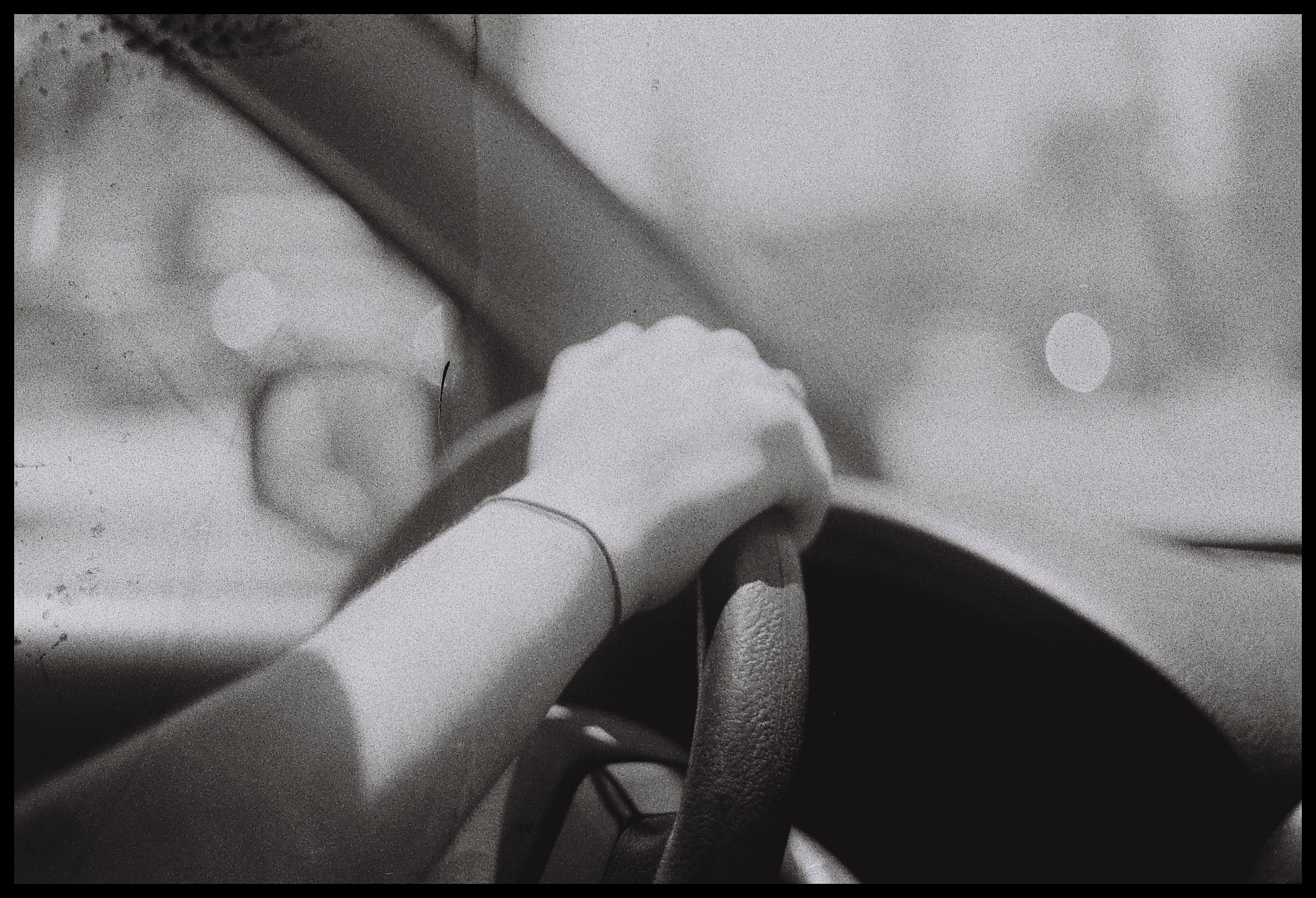
Passenger

Pillow Memory
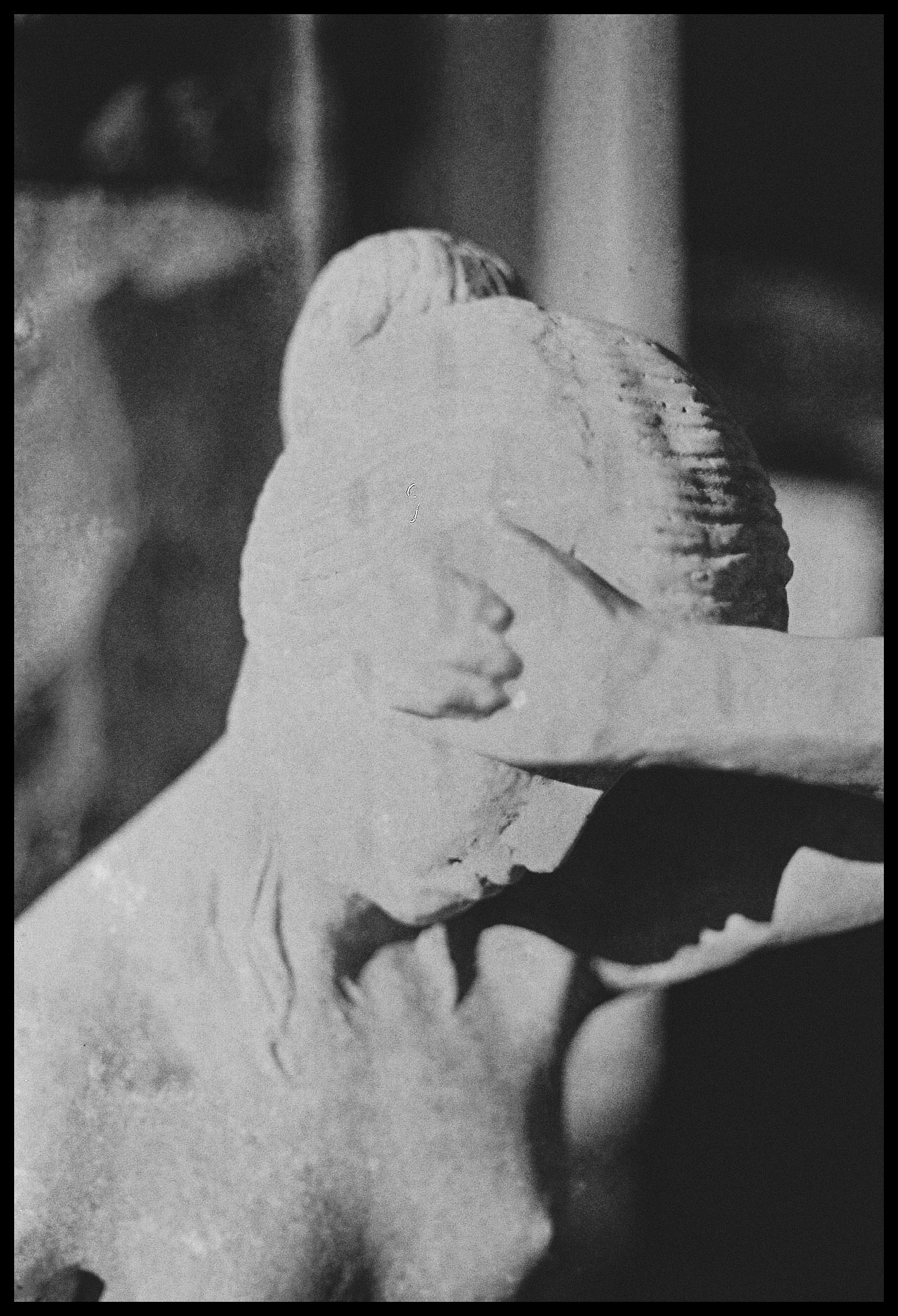
Untitled
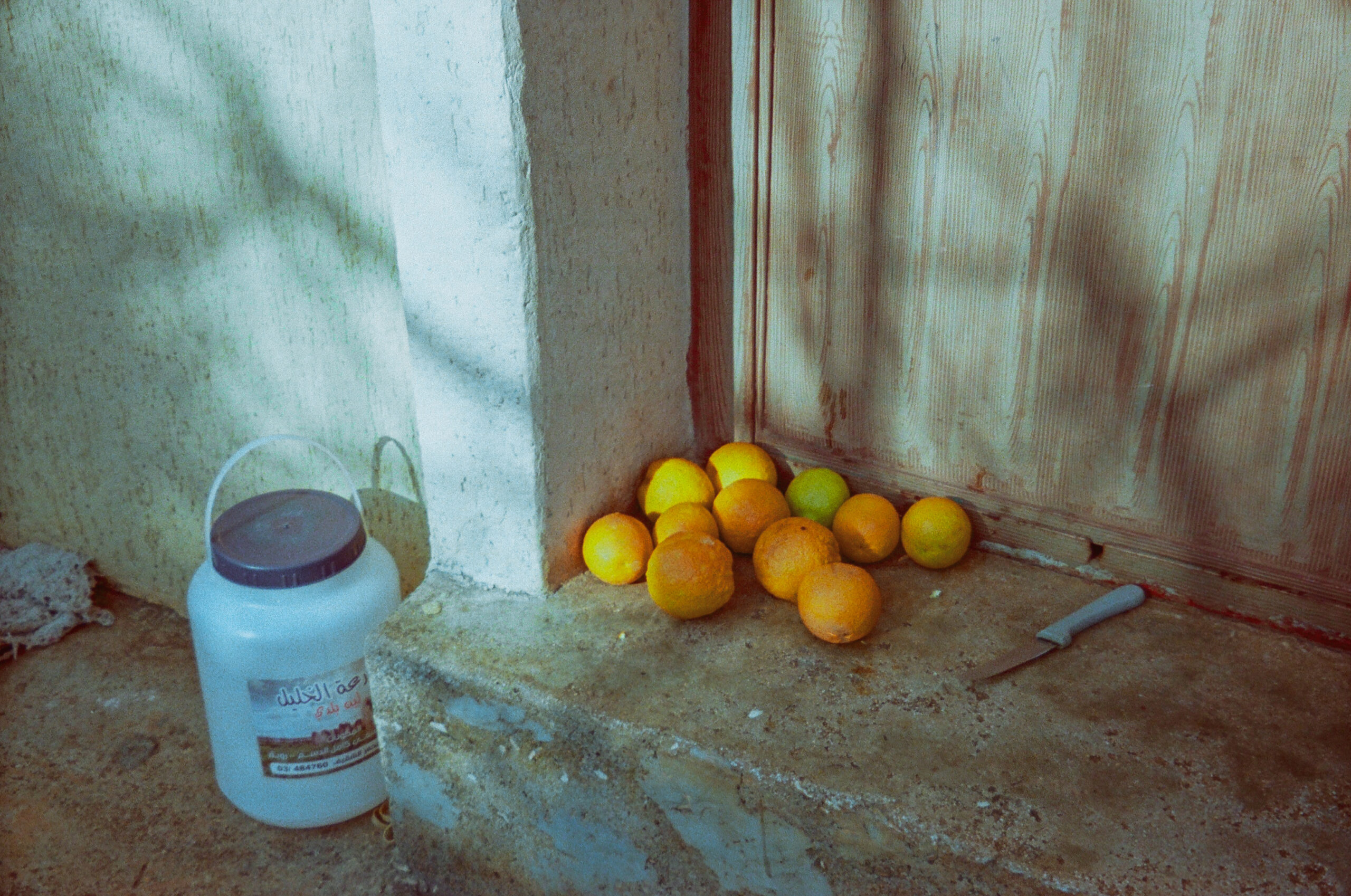
Orange Season
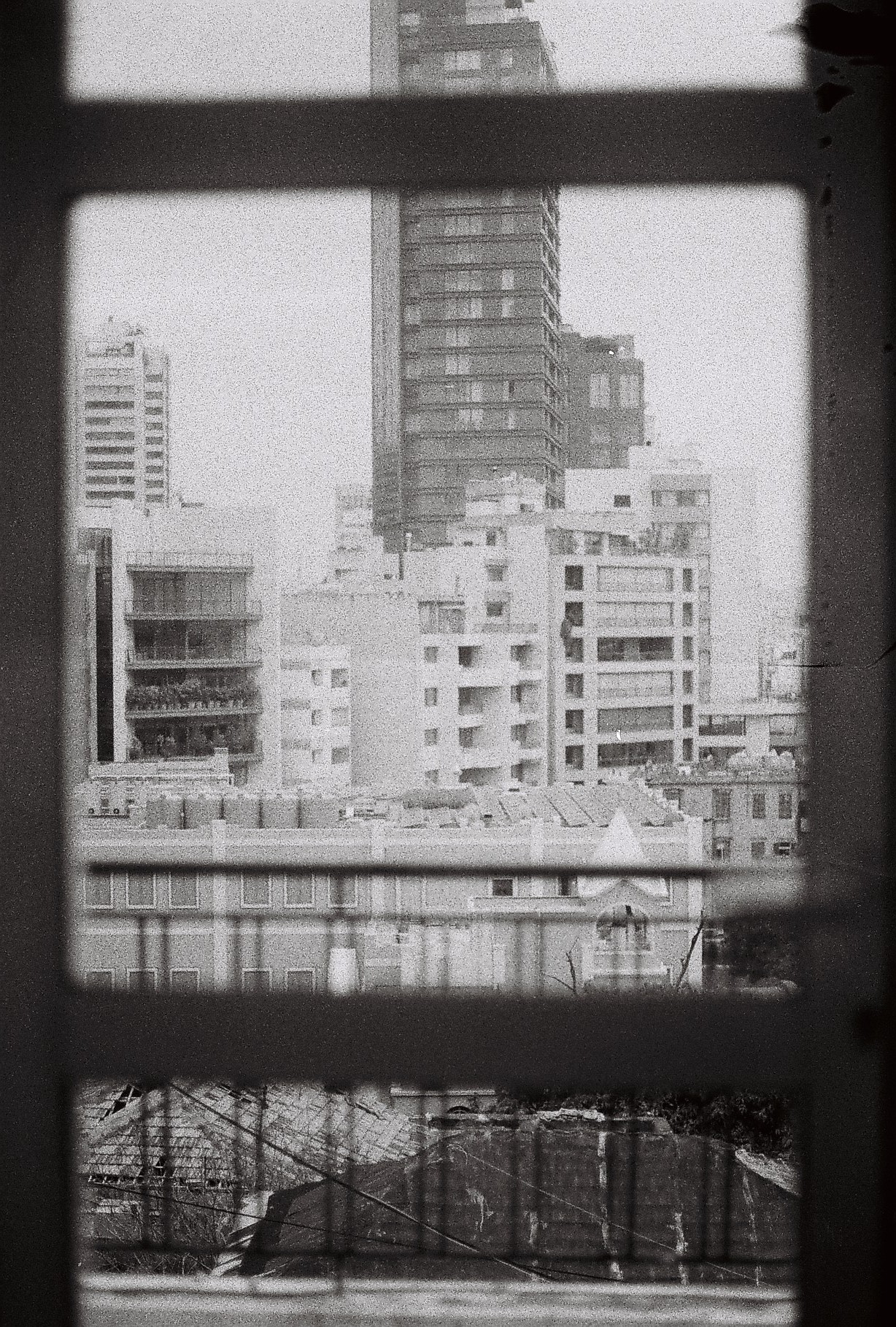
Beirut Again
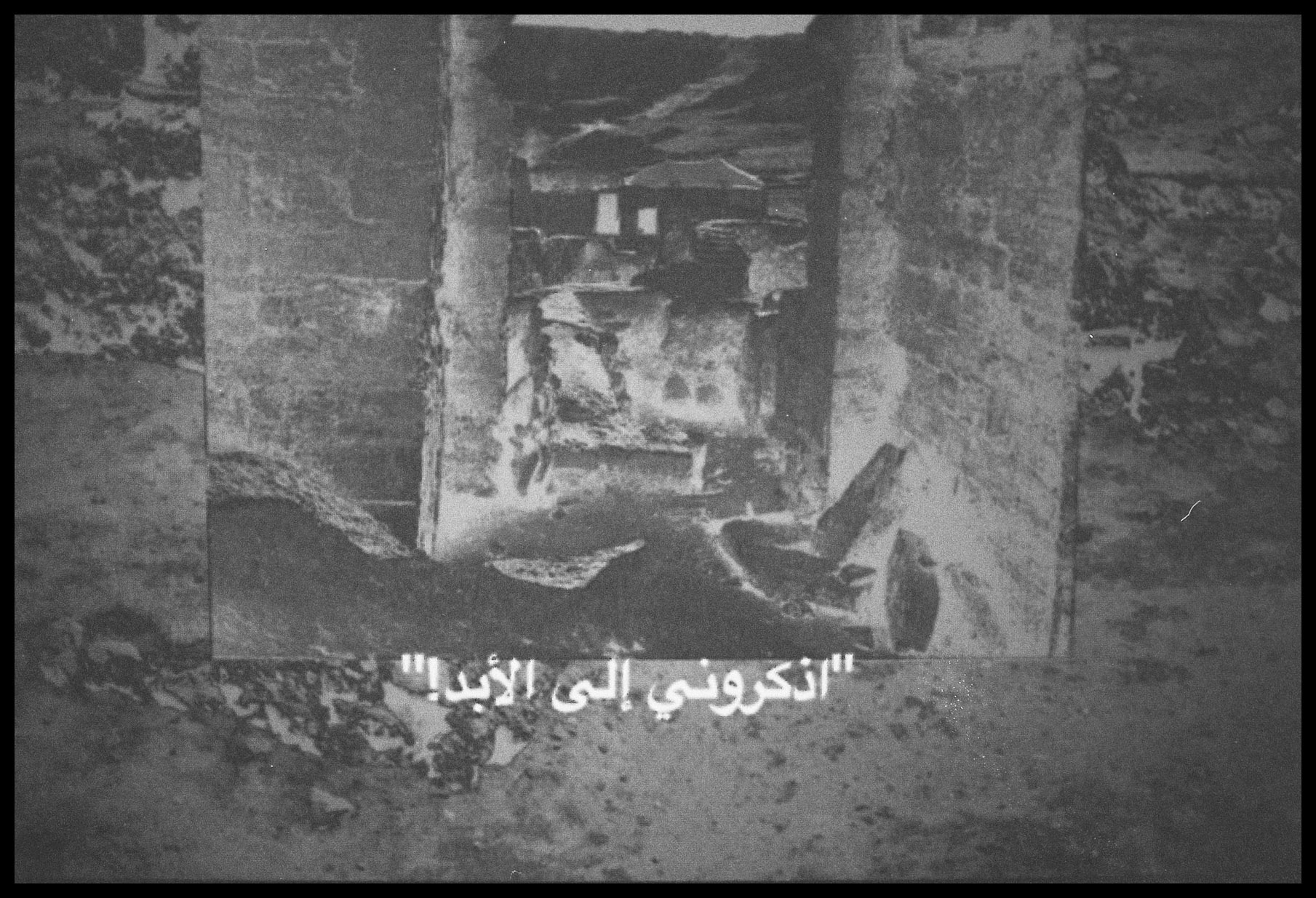
Remember Me Forever
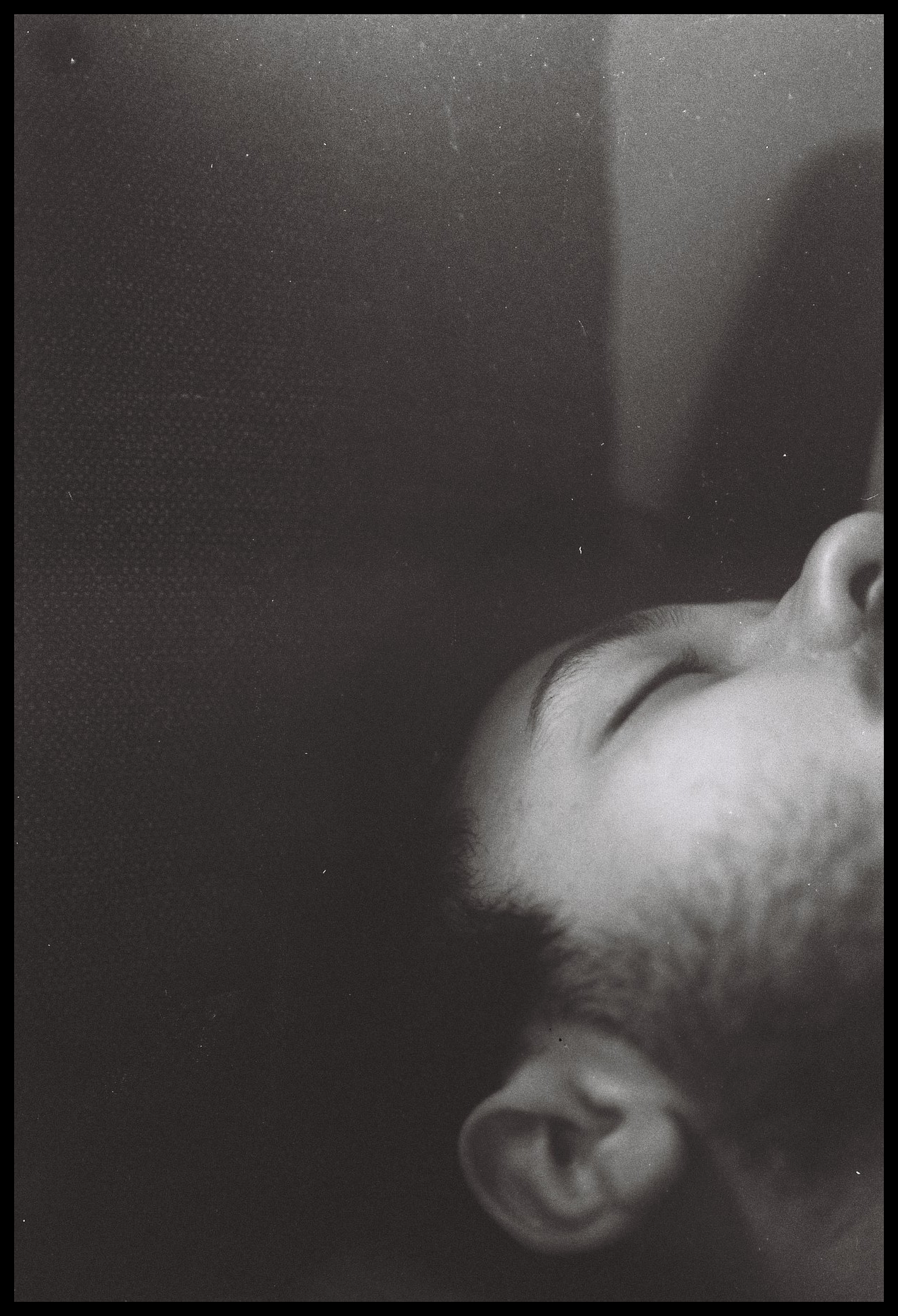
Variations on Sleep
Slumber
The creation of Radio AlHara and other similar online radio platforms, in the first months of the pandemic marked a welcome and exciting development in music, bursting open lines of communication and connection between local, regional, and international artists during a period of acute uncertainty. As an avid listener, radio lover, and DJ, I began to send in mixes soon after Radio AlHara was created. My broadcasts often explored specific themes that either helped me break away from the turmoil Lebanon was going through or reflected longstanding sonic and musical research.
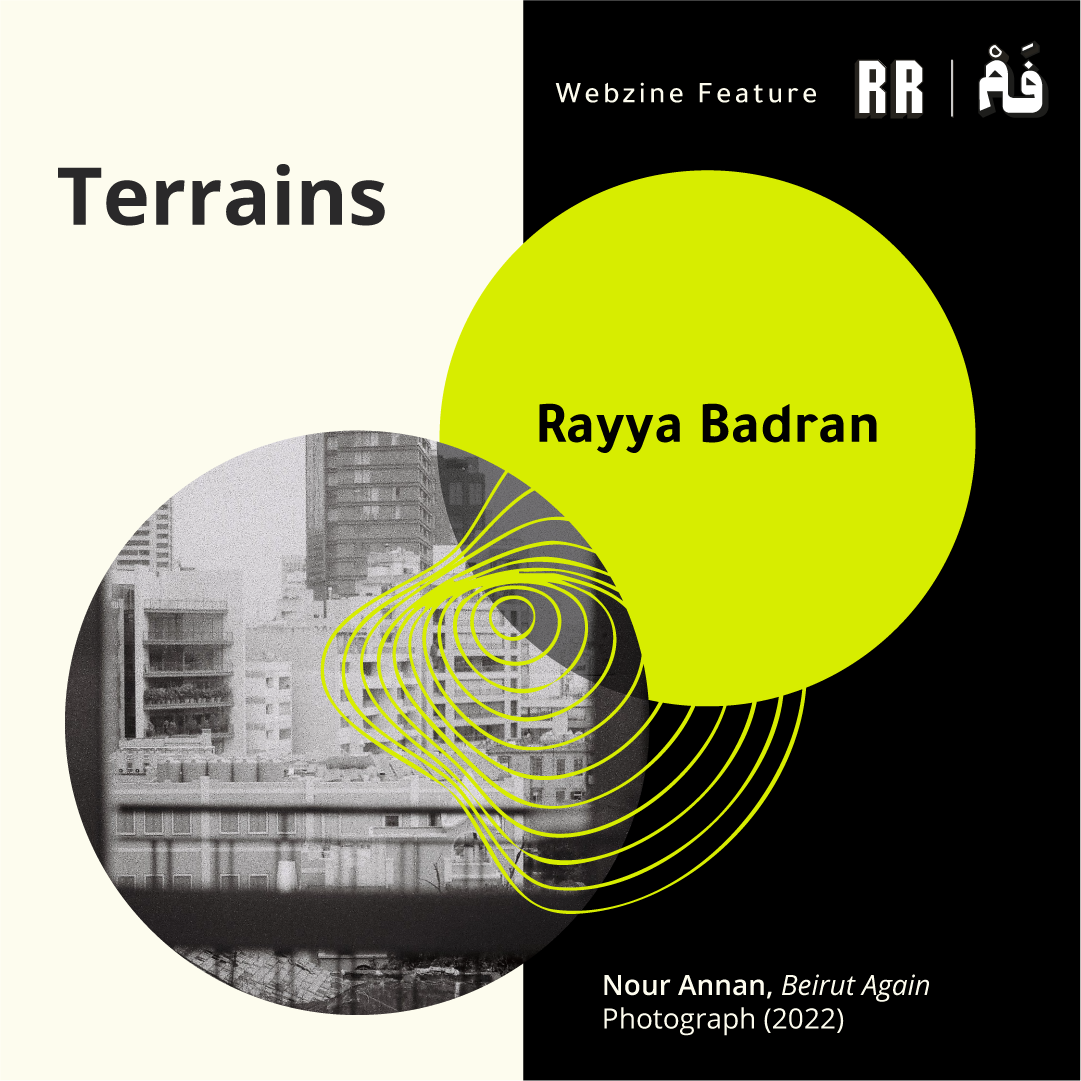
I curated this hour-long mix as part of my bimonthly shows. Its simple title “Terrains” alludes to the distinct urban, rural, and nautical terrains that can be heard in the field recordings and ambient works that the mix comprises. I have always been partial to the singularity of collective listening that radio provides and this new platform allowed us DJs, sound artists, and lovers of sound to experiment and push the limits of what can be heard and listened to on the radio. We were free to do what we wanted – more than once, I played entire albums, interviews between electronic and experimental composers, or other material I was keen to experience collectively.
Like many of the shows I presented on Radio AlHara, “Terrains” includes some of my favorite pieces by sound artists, field recordists, and musicians like Iannis Xenakis, Luc Ferrari, Maggi Payne, Thomas Köner, and many others I return to regularly and whose works I used to teach in my course in sound studies at AUB. In essence, the whole show weaves together ways of listening to the world and foregrounds compositional and recording techniques from different eras by some of the most well-known 20th century avant-garde composers like Iannis Xenakis to contemporary field recordists like Chris Watson and Lawrence English. The mix vacillates between field recordings that capture natural worlds and their inhabitants – revealing their sonic characteristics, movements, rhythms, and cadence – and ambient works that interpret distinct modes of listening.
As Israel continues its assault on our bodies and senses, this may provide listeners with some reprieve from the sonic violence.
Tracklist:
- Hildegard Westerkamp, “Kits Beach Soundwalk” (1989)
- Chris Watson, “Aguane” (2008)
- Luc Ferrari, “Presque Rien No. 1 C” (Le Lever Du Jour Au Bord De La Mer) (1967-1970)
- Thomas Köner, “42° 7′ N 19° 6′ E” (Hour Eleven) (2009)
- Jana Winderen, “Ultrafield” (extract) (2013)
- Iannis Xenakis, “Concret PH” (1958)
- Lawrence English, “Antarctic Fur Seal Sleeping” (Esperanza Bay, Antartica) (2013)
- Chris Watson, “Soffi di vento” (2008)
- Fadi Tabbal, “Ceremony by the Sea” (2020)
- Maggi Payne, “Ahh-ahh” (2012)
- Lieven Martens & Dolphins into the Future, “Aftermath – Isle of Self” (2009)
- Ezekiel Honig, “Subverting the memory of your surroundings” (2011)
Based in Beirut, Rayya Badran is a writer, editor, and translator whose practice centers on sonic and musical practices. Her writings have featured in various publications such as Bidoun, Art Review, Art Papers, Norient, The Wire, and more. She was guest editor of the Beirut Art Center's online publication The Derivative in 2020 and curator and editor of the Norient City Sounds Online Special: Beirut in 2022. She taught courses on contemporary art and sound studies at the department of Fine Arts and Art History at the American University of Beirut from 2014 to 2021. In 2023, she was co-curator of the second edition of the Listening Biennial.
Nour Annan is a writer and interdisciplinary artist based between Beirut and New York.
-
Nour Annanhttps://rustedradishes.com/author/nour-annan-2/

-
Nour Annanhttps://rustedradishes.com/author/nour-annan-2/
-
Nour Annanhttps://rustedradishes.com/author/nour-annan-2/