



Issue 12: Pain, Boundless
الوجع،
هذا العصيّ الحميم
زينة الحلبي
يونيو 2025
عايشنا الوجع على شاشتنا الصغيرة طوال الإبادة في غزة، عشناه أشلاءَ أطفال وهياكلَ رجالٍ ومقابر جماعية، ثمّ أحسسنا به أصواتٍ ومُسيّراتٍ وعيوناً مفجّرة في لبنان، وعدنا للتحديق في الشاشة لنرصد في عيون السجينات السوريات المحررات وجع المهانة. عشنا الوجع فرادى وجماعات، حدثاً وقدراً، أحسسنا بأثره على جسدنا وعلى وعينا، غُصنا في وجع الآخر هروباً من وجعنا الخاص أو إسقاطاً له. كان الوجع في كل مكان هذه السنة، فاخترناه عنواناً.

للوجع الذي نشعر به عند فقدان الآخر الذي نحبّ مكانٌ خاص في عددنا الثاني عشر. تسترجع أسماء عزايزة رحلة حدادها على والدها بعد عجزها عن هيل التراب على قبره، فصارت تبحث عنه في الجماد والأحلام والطيور والأساطير. في حداده على الآخر الذي يتلاشى أمامه، يتخيّل سلطان محمد شبح الموت مطلاً من بعيد: «عندما يقفُ الملاكُ، تحت ظُلَلٍ من الانتظار \ معضعضاً أظافرَهُ \ عندما يجلس ويُحصي الديدانَ فيكَ \ لن تشعرَ، إذّاكَ، بأيّ شيءٍ». إلا أن السؤال الأكثر إلحاحاً، والذي لا يقلّ وجعاً، هو كيف نحدّ على الآخر الذي سبق ومات مراراً؟ في سلسلة من الأحلام والمشاهد المتقطعة المبتورة، تسرد رشا عباس قصة فقدانها لصديق كان قد فقد ذاته. تحاول اللحاق به فتفشل مراراً إلى أن توقن «أننا نسير في خط مستقيم نحو لحظة قادمة إلينا من النهاية، كل ما جهدت وسعيت لأعكسه، لكنني عرفت أنه لا سبيل الآن للمقاومة.» إن كان لا سبيل لمقاومة الوجع الذي لا بدّ له أن يأتي، فلنحتفِ بوجع الفقدان. يكتب عادل ألبوما مرثية قصصية لـ«اللايدي أنيسة»، شخصية فريدة لا تشبه شيئاً إلا خيالاتها، هي «التي منذ وِلادتها حتى آخر نفس لها، كانت تمدُّ رجليها أطول من لِحافها بشبرين»، يضيف ألبوما، «وحيدة في تُربتها، مَرميَّة بين الجثث، تحتفظ بسرّها الأخير.» وقد يحدث أن يكون موضوع الوجع حلماً على شكل مدينة كنا قد هاجرنا إليها يوماً مطرودين من بلاد لم يعد لنا فيها مكان، مدينة أصبحت مقفلة علينا، فأدركنا، كما تفعل ديانا عباني في مقالتها، أنّ للحالمين أوجاعاً أحياناً.
الوجع في كل مكان، إلا أنه قد يفلت منّا. يكتب جولان حاجي ترافقه رسومات الفنان التشكيلي أسامة هابيل، عن الأوجاع الصغيرة العصيّة على العين. يرصدها في روح دمشق في السنوات الخمس الأخيرة قبل بداية الثورة، وبداية رحلة السوريين مع الآلام الكبرى التي لن يتوانى جولان حاجي عن الكتابة عنها، لا من أجل شيء سوى البحث عن الذات: «تتنقّل داخل غيابك.» يقول جولان، «من يراك، الآن، يرى فيك أحداً سواك. مرة أخرى، يدهشك أنك لستَ سواك. هذا يحزنك ويمتعك معاً. أنت هو أنت، وأنت مَن ينقُصك. فأيُّ هزَل أبلغ إيلاماً من هذا؟». عن الوجع العام الذي يستدخله الجسد، يصوّر بلال حسني في قصته الوجع الجماعي الذي لا يحوم على أوجاع عامل اسكندراني مسنّ ينزف حزناً ودماً، شخصية على نقيض الشخصية الهزلية التي يرسمها لنا أحمد وائل، عن وجع ذلك المحرّر الذي لفّ الغموض مقتله بعدما حاول أن يحرّر كاتبات عبر تحرير نصوصهنّ.
نختبر الوجع في الجسد، ونحاول مقاومة مسبّبه. لكن ماذا لو كان من يسبّب الوجع هو نفسه من وهبنا الحياة؟ تطرح كل من نصوص شيماء العبيدي، ومالك رابح، ومي المغربي، ووعد قاسم، كيف أن الوجع الذي تسبّبه سلطة الأب يستقرّ مهانةً على روح أبناء يعيشون الوجع قدراً وحباً مشروطاً ومؤجلاً سيؤسّس لرؤيتهم لذاتهم وللعالم حولهم، كما تكتب وعد قاسم: «عندما وضع أبي أسفل حذائه عليّ، أدركتُ أنني سأحيا بقيّة عمري مختنقة، وأن العالم بأسره سيضع أسفله عليّ.» إلا أن إيمان عمارة تأتي من حيث لا نتوقّع، فتقلب الطاولة علينا في قولها «كل ما أحبّ هو الوجع في مكامن المتعة، وأنا من قررت ذلك وعلى الطرف الآخر التنفيذ فقط». هكذا إذن يكون الوجع لذّة وسيطرة، وتلاعباً بموازين القوى في العلاقات الحميمية.
على الضفة الأخرى من الوجع الذي نرى، هناك وجع لا لغة لسبره والإفصاح عنه، فيبقى عصياً على القول، خارج الخطاب. هو وجع النكبة التاريخي الذي يتّضح في «التفاصيل الثانوية»، تلك الخسارات الفردية التي سقطت سهواً أو عمداً عن المرويّات الكبرى، كما يتبيّن في قصة عدنية شبلي، هو كفن الآخر الذي تبحث عنه بتول أبو عقلين في غزة: «كان علينا أن نختار لون طلاء بيتنا معاً / لا أن أختار لون كفنكَ / وحيدةً / بين الألوان / دون أن أجد الأبيض.»، هي الحرب ذاتها التي تؤجّل تعاقب المواسم والأزمنة، كما يكتب سمير سكيني دون أن يتمكّن من الدلالة عليها، فيصير وجعها حالة جسمانية شعورية تستقرّ تحت اللسان، «تلك الغصّة»، كما تكتب منى كريم، «التي، وإن صمدت في مكانها / تُحيلك تمثالاً / بين مكانين / بين زمنين». تصوّر ألفة سعداوي ما قد يكون وجعاً بيئياً، جعل أهل مدينة قابس التونسية يدورون في مكان غير معلن بين مكانين وزمنين سابقين ولاحقين للكارثة البيئية التي حلّت بالمدينة، فأمست الكارثة حقيقة تصوّرها الكاتبة بقعاً من الكيماويات الصفراء في السماء. تراها، تشمّها، وقد تمرض على أثرها، قبل أن تقرّ السلطة بوجودها. هو وجع صامت، أبكم، ما مِن شيء يُثبت وجوده سوى الأذى الذي يخلّفه.
تطرح تلك النصوص مجتمعة مسألة تَصوُّر الوجع وتصويره: كيف نمثّله؟ ما هي العدّة اللغوية والبصرية والنظرية التي تجعلنا قادرين على تصوّر الوجع؟ وماذا لو فشلنا بذلك، هل يكون الفشل خيانة للموجوع؟ يكتب محمد شوقي حسن عن تجربته الخاصة مع الرغبة والوجع، فيقدّم في مقالته سرداً ولغةً لوصف وجع خسارة الآخر، ولآلية تحويل هذا الوجع رؤيةً سينمائيةً متعددة الفروع، منها الخطابي والتقني واللغوي. أعود وأطرح السؤال عينه، من باب الترجمة هذه المرّة: كيف أترجم وجع محمد شوقي حسن لغوياً وكيف أبقى وفيّةً لذلك الوجع؟
المحتوى العربي في هذا العدد من فَمْ هو الأكبر والأكثر تنوعاً منذ صدور المجلة. يتضمّن العدد إثنين وعشرين مادة عربية بين القصة والشعر والمقالة والترجمة، لكتّاب وكاتبات من فلسطين ومصر والسعودية وسوريا ولبنان وتونس والجزائر، بالإضافة إلى الكتاب المهاجرين في أميركا وأوروبا. في العدد أيضاً تحية، لن تكون الأخيرة، إلى الراحل الياس خوري الذي كنّا نودّعه لحظة انفجرت في المدينة آلاف العيون والأوجاع.
Pain,
Boundless
Rima Rantisi
June 2025
Pain has settled everywhere, becoming inescapable, boundless.
Since October 7, the unfathomable images from Gaza and Lebanon have become an inextricable part of us, awakening a pain of day-to-day living. My old notes reveal forgotten horrors found in these images—do I rewrite them here? I think: We should always remember—but I want to respect the living and the dead. The living, for the witnessing they have endured. The dead, because they were whole and left dismembered and they must rest. But our bodies have become anchors for these images, and while art is an inadequate response now, the conviction in their subjective and artistic processing remains.

Many pieces refer to the sea or water as a space of painful joy, depth, and trauma. We chose the cover art from the “River Print” series of cyanotypes by Jessica El Mal, Chahine Fellahi, Kaïs Aïouch, which manifest the symbolic tension of water as a space of life and loss. In three essays, we see echoes of this tension. In “Constellations of Pain,” Shams Hanieh, landlocked by her West Bank ID, yearns for the sea as the “only thing that ever felt holy.” In “Izdihar, or: The Flowering,” Rana Issa traces her bladder issues back to her grandmother’s life in the Palestinian camp Burj al-Barajneh. And in “Sea Never Dry,” Nisreen Kaj mourns the version of herself that vanished alongside her mother to whom “life was a sea” where “much could be buried in its depths to be forgotten forever.”
We see the pain of grief, especially over death and disappearance. In “Absent Friend,” Lina Atallah reflects on the pain behind a friend’s disappearance. She posits the pain of an “unknown origin”—buried in the unconscious, where even when projected onto another, can never truly be known. In the elegiac poem “for ryan thoreson carson,” Jess Rizkallah writes “death makes a person mythic. every myth has cracks. / that’s where the grief leaks thru when you remember / the beautiful ordinariness of a person. then you lose them / all over again.” Ordinariness and its vulnerability surface also in Saba Kermati’s “The Gloaming”: “Nicholas is cutting onions in the kitchen / and crying. A football game in the background. / A 24-year-old boy’s leg snaps in half / And then he is carted off the field. Gaza is home / to the largest number of amputee children / in modern history.”
We have published eight new poets in this issue including Sahara Sidi, Saba Keramati, Lara Atallah, Doaa Atamna, Lauren Camp, Dania El Abyad, Glenn Shaheen, and Kaleem Hawa. Their poetry is alongside three poets who Rusted Radishes has been publishing since their early days, including Mai Serhan, Laura Braverman, and Jess Rizkallah, and who have recently published collections. The work of this exciting group of poets is marked by colloquial language, forms that stutter and halt in ghazal, typography, and narration. They tell stories, some clipped by images of genocide, others swimming in pains of incarcerated brothers or lamentations on illness or geography, and other pains.
Many of the artworks in this issue speak to corporeal pain. Christine Safatly’s “Lost” series derives from a project that focuses on “body suffering and daily experiences with oppressive structures” with meticulous attention to body detail (look closely for the bones) while also evoking an abstract heavy emotional response. The dark heavy lines of Safatly’s work echo in Shawki Youssef’s where he poses a raw and abject view of the body, seemingly as a vessel of trauma. Ahmad Ghaddar’s (Renoz) “Coping Mechanism” mimics the pharmaceutical industry’s packaged promises of relief. Nourhan Maayouf’s photography series “Don’t don’t don’t you forget about me” of engraved aloe plants invites us into tender spaces between remembering and forgetting. In “Floating Limbs,” Mohammad Abdel Karim renders the human body as dislocated, severed, and suspended, capturing the existential weight of estrangement. Aya Nadera Zantout’s handwritten “Akh” echoes the incessant pain we have faced in witness to the fall of thousands of bodies.
War and violence emerge as sub-themes of pain—unsurprisingly, but what follows this pain? Two translations span a millennium of suffering. Michael Payne renders al-Ma’arri’s “Epistle of the Neigher and the Brayer,” written in 1021 CE in northern Syria just before the Byzantine invasion, which features a horse rebuking a mule’s complaints on suffering: “Every sperm has darkness.” Payne notes, “the mule’s misery is a necessary fact of nature.” Sara Mourad translates a 2024 Beirut conversation between Arabic editor Zeina G. Halabi and Palestinian writer Adania Shibli. Halabi highlights Shibli’s “method of excavating fragmented and ambivalent details that are unmatched in their power to enunciate, minor details whose fragmentation and stuttering point to the literary as a Palestinian experience.” Shibli claims that the fragmentation and “stuttering” of Palestinian narratives, brought on by its painful history, oppose those of the violent oppressor, the Israeli government’s clear “complete story.” Distrust in the latter’s narrative structure leads Shibli to claim “stuttering” as a literary mode, asserting that she does not write Palestine but rather Palestine is her “teacher.” Nour Debian’s artwork was especially created for this interview and Shibli’s story in the Arabic section. Halabi and Shibli also discuss Majd Abdel Hamid’s tatriz art, “Screenshots,” featured in this issue, which display war scenes from Syria, not only memorializing the pain of war but also inviting us into the slow painstaking work in the imagery he confronts. Meanwhile, graphic narrative, “War Crimes,” by Sarah Saroufim alludes to the ultimate demise of Gaza’s hospitals, schools, journalists, mosques, churches, and children, transformed into plumes of smoke. Finally, in Petra Serhan’s performance “No Blood Included,” she draws attention to the pains of the last century to the present day. With her call for long silences, she asks us to be present in pain.
Thank you to all of the writers and artists in this issue who accepted to dwell in theirs.

آليات المواجهة – التأقلم
آليات المواجهة – التأقلم

Everything Will be Taken Away | Untitled
Everything Will be Taken Away | Untitled

RIVER PRINTS SERIES
RIVER PRINTS SERIES

FLOATING LIMBS: THE CASE OF EVOLUTION
FLOATING LIMBS: THE CASE OF EVOLUTION

آخ
آخ

Don’t don’t don’t you forget about me
Don’t don’t don’t you forget about me

UNTITLED
UNTITLED
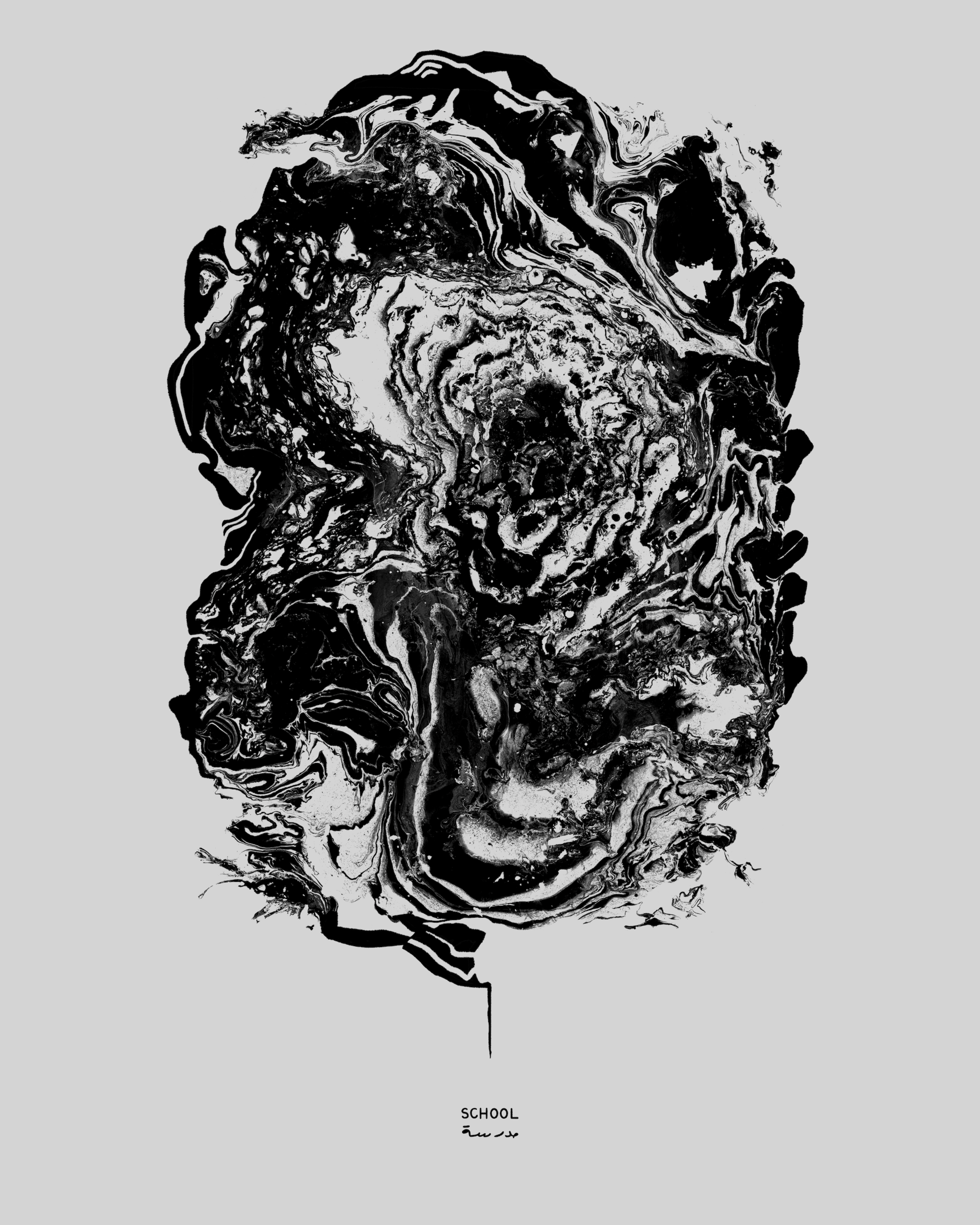
War Crimes
War Crimes

الفيبروميالجيا
الفيبروميالجيا

SCREENSHOTS
SCREENSHOTS

LOST SERIES
LOST SERIES

ناس مش فوق
ناس مش فوق

Mercator Projection
Mercator Projection

for ryan thoresen carson
for ryan thoresen carson

أحلام الليدي
أحلام الليدي

Muʿallaqat ʿAntarah
Muʿallaqat ʿAntarah

مُغتسلٌ من دماء
مُغتسلٌ من دماء

In Glorious Terms
In Glorious Terms

خذلان
خذلان

We Each Are Almost | Chasm
We Each Are Almost | Chasm

صوَر من ألبوم وجع العائلة
صوَر من ألبوم وجع العائلة

The Ghost in the Machine, or Movements of a Symphony for Various Body Parts
The Ghost in the Machine, or Movements of a Symphony for Various Body Parts

Absent Friend
Absent Friend

فتى مصنع البونبون
فتى مصنع البونبون

No Blood Included
No Blood Included

On Suffering and the Impotence of Complaint: Al-Ma’arri’s “Epistle of the Neigher and the Brayer”
On Suffering and the Impotence of Complaint: Al-Ma’arri’s “Epistle of the Neigher and the Brayer”

وجعي في مُنتهى اللّذة
وجعي في مُنتهى اللّذة

Izdihar, or: The Flowering
Izdihar, or: The Flowering

قبقاب الحَوْر
قبقاب الحَوْر

Good Morning Heartache | Economy of Language
Good Morning Heartache | Economy of Language

Constellations of Pain
Constellations of Pain

شعور مقدّس
شعور مقدّس

No More Plant Life
No More Plant Life

سقوط عدو المرأة
سقوط عدو المرأة

Sea Never Dry
Sea Never Dry

بعد الحصرم؛ تقريباً قبل الدبس؛ وبالتحديد يومَ انقلبَ النحلُ دوداً
بعد الحصرم؛ تقريباً قبل الدبس؛ وبالتحديد يومَ انقلبَ النحلُ دوداً

المفكّرة الزرقاء
المفكّرة الزرقاء

كنزُ السكارى وهمٌ
كنزُ السكارى وهمٌ

الولد ذو العينين الشاخصتين
الولد ذو العينين الشاخصتين

تاريخ غير رسمي للضرب على الدماغ
تاريخ غير رسمي للضرب على الدماغ

ثلاث قصائد
ثلاث قصائد

لا تسألوني ما اسمهُ حبيبي
لا تسألوني ما اسمهُ حبيبي

spectator ghazal
spectator ghazal
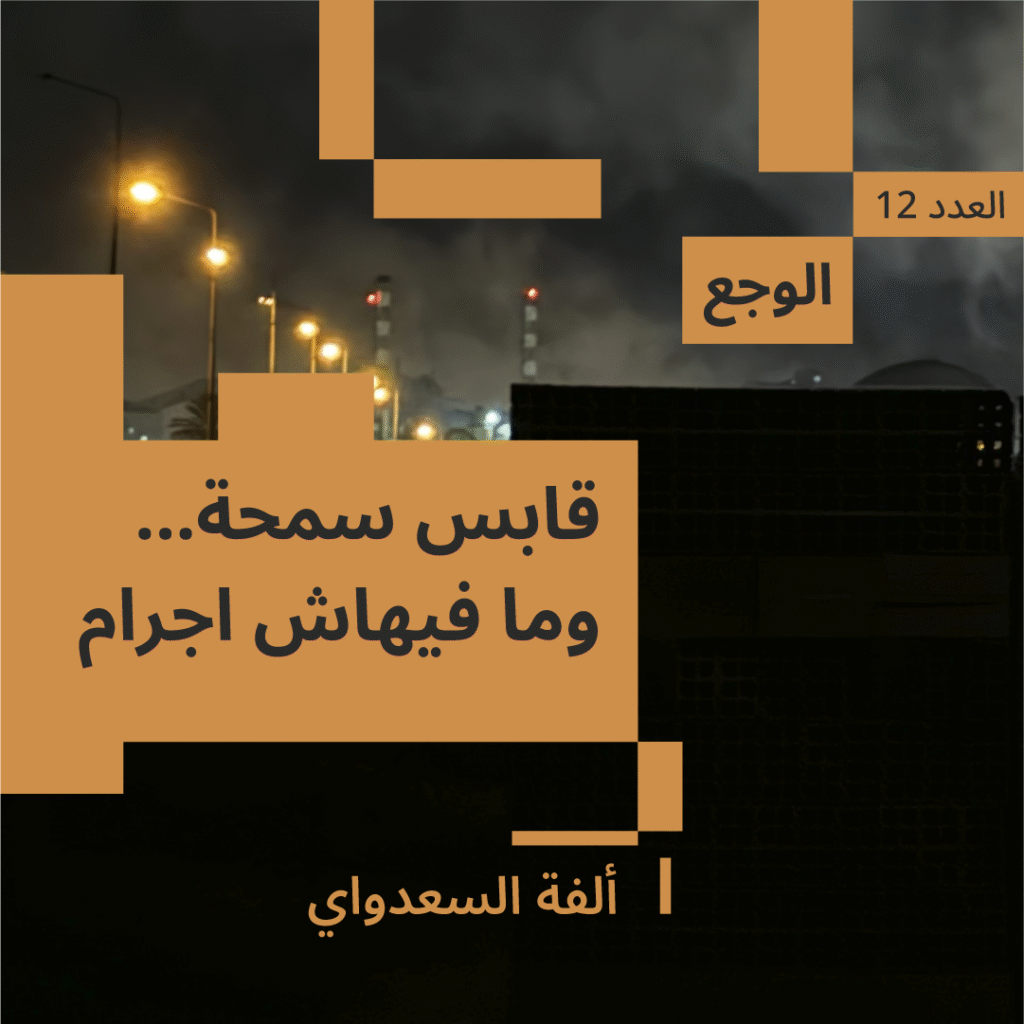
قابس سمحة… وما فيهاش إجرام
قابس سمحة… وما فيهاش إجرام
Defilement
Defilement
The Gloaming
The Gloaming

قصيدتان
